Blakedown Begins Restoration of Brighton's Historic Royal Pavilion Garden
Blakedown Landscapes has commenced work as Principal Contractor on the restoration of Brighton's Grade II-listed Royal Pavilion Garden, as part of the £8.038 million Garden Fit for a King project.
Led by Brighton & Hove Museums in partnership with Brighton & Hove City Council, with landscape design by Allen Scott Landscape Architecture, the project is supported by major funding from The National Lottery Heritage Fund, Historic England and Brighton & Hove City Council.
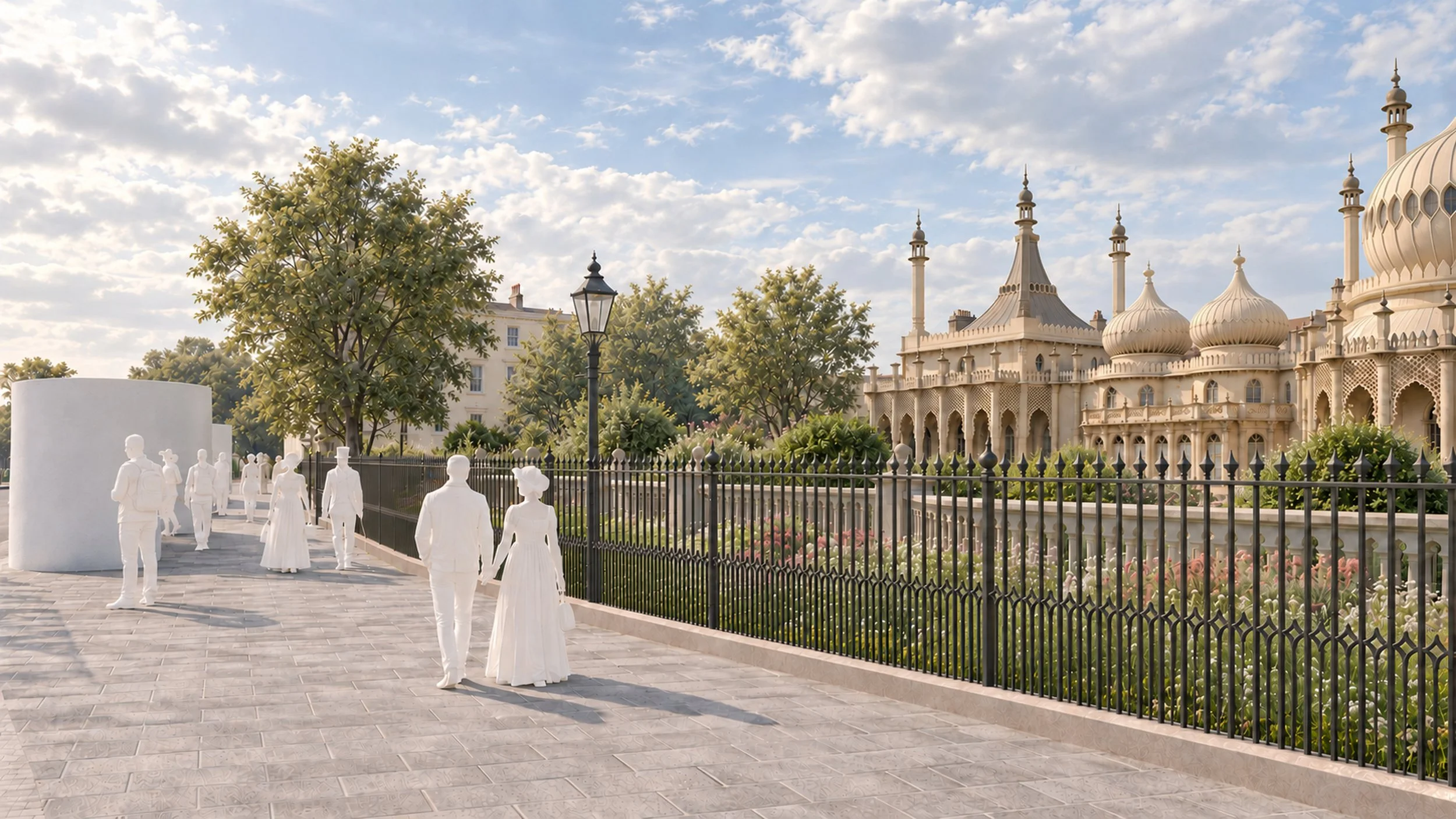
The restoration will revive the character of this remarkable 3.3-hectare Regency landscape, developed by architect John Nash and royal gardener William Townsend Aiton in the 1820s. A rare surviving example of a Regency Picturesque garden, the restoration draws on archival evidence of its historic layout and planting schemes.
Specialist heritage restoration
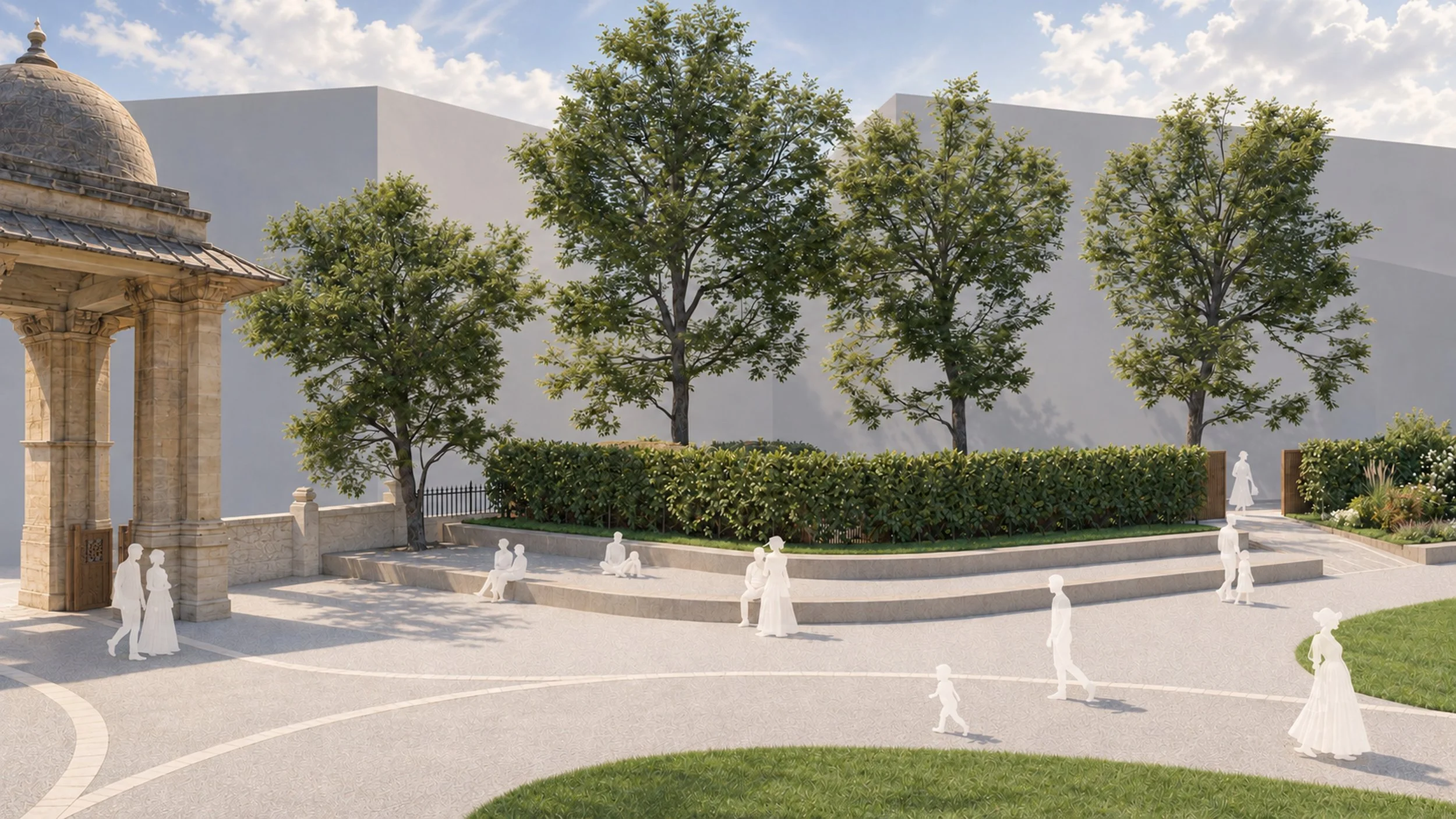
Blakedown's works include the restoration of historic pathways, boundary railings, stonework and listed heritage features, alongside improvements to accessibility and measures to protect the garden's important elm collection.
Among the significant conservation elements are the garden's historic cast-iron lighting columns, dating from around 1835 and bearing the royal insignia of King William IV, together with the restoration of the listed balustrade.
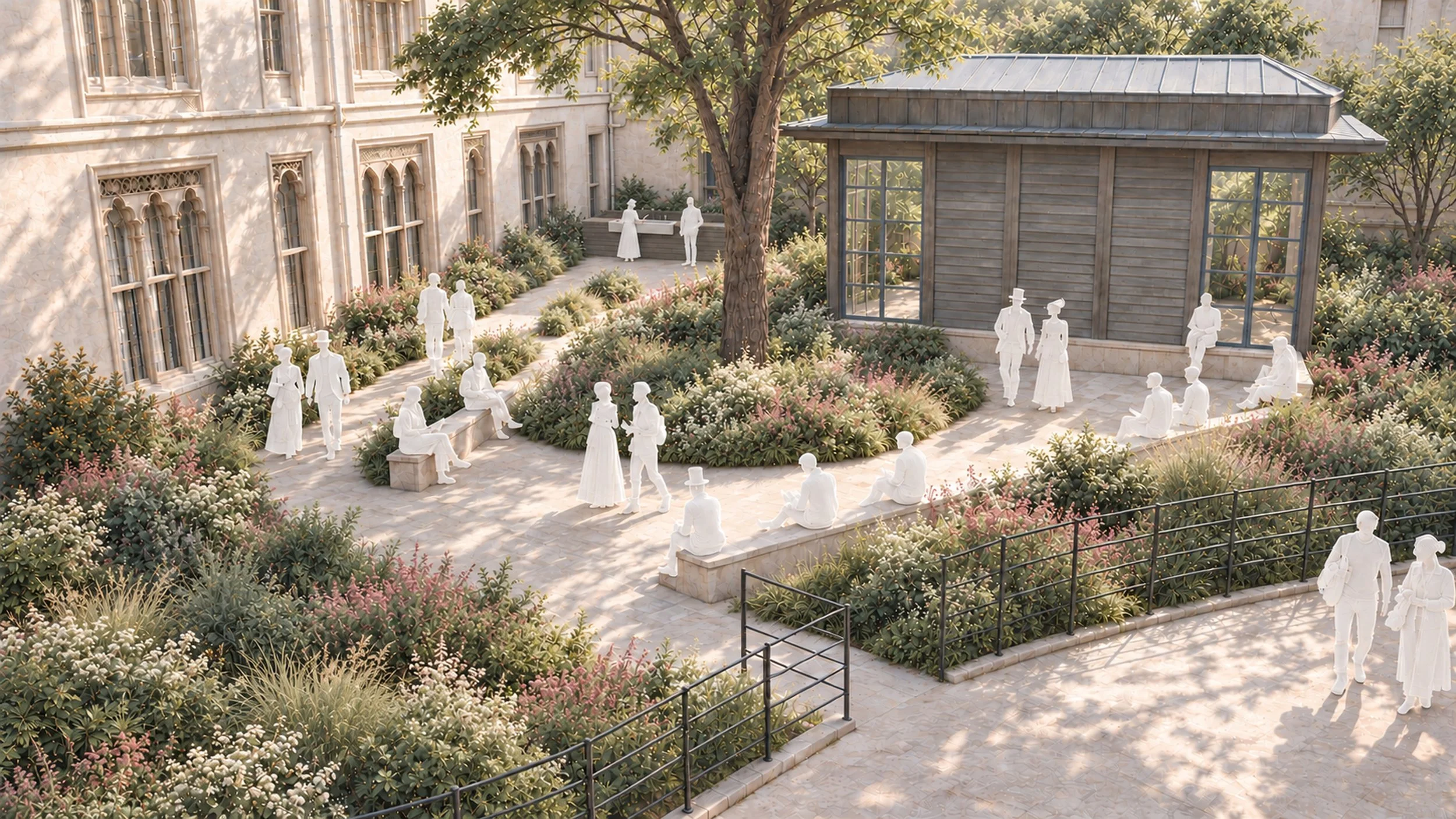
The project will also see more than 16,000 plants and shrubs introduced to recreate the garden's historic planting character, alongside a new outdoor learning space and fully accessible Changing Places toilet facility.
Working within one of Brighton's most visited historic landscapes requires a carefully managed programme. The restoration will be delivered in phases, with temporary closures to individual areas while maintaining access to the wider Royal Pavilion estate throughout the works.
Safeguarding a remarkable historic landscape
Chris Wellbelove, Managing Director of Blakedown Landscapes, said:
"The Royal Pavilion Garden is a remarkable historic landscape, and we're proud to be entrusted with its restoration. The project calls for specialist conservation skills and a carefully managed programme of works, protecting the garden's historic features while maintaining access for visitors throughout.
"We look forward to working closely with Brighton & Hove Museums, the Council and the wider project team to deliver a restoration that respects the garden's heritage and secures its future for generations to come."
The restoration forms an important part of efforts to secure the garden's removal from Historic England's Heritage at Risk Register, while improving its accessibility, biodiversity and long-term resilience.
Capital works are scheduled for completion in late 2027.